
Find The Right Starting Point For Your Family
Whether you’re navigating meltdowns, difficult transitions, communication challenges, or daily routines, you will find practical systems here designed for real life.
We know you don’t need more information.
You need the right support for the toughest challenges you’re facing right now.
That’s why our success systems and our entire company are organized by the problems parents most often encounter at home, in school, and in everyday life.

Where Would You Like To
Begin Building Harmony?
Every family starts somewhere
Choose the area that feels most overwhelming right now, and we'll help you build more peace, connection, and confidence one step at a time.
We’re Dealing
With Meltdowns
Frequent meltdowns, big emotions, and escalations.

Transitions
Are Difficult
Leaving, changing activities, or moving from one thing to another.
My Child
Seems Constantly
Overloaded
Sensory overload, anxiety, and regulation struggles.

We Need
At Home
Better Structure
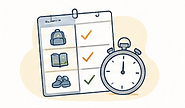
Routines, daily schedules, and staying organized.

Build the Foundation for Harmony: Start With You

Still Not Sure Where To Start?
Take our 2 minute quiz. By answering a few questions, we can help you find the right starting point for your family with a personalized Starting Point Blueprint.
We’re Dealing With Meltdowns
YOU’RE NOT ALONE.

Recommended Starting Point:

Meltdown Mastery System™
-
Understand what's really happening
-
Know exactly what to do in the moment
-
Reduce daily stress before it turns into behavior
-
Build confidence and feel more in control
The Meltdown Mastery System gives you a clear way to recognize what's happening, respond with confidence, and bring calm back faster-for your child and for
Parents Often Tell Us:
Meltdowns can feel sudden. One moment things seem manageable. The next, emotions have taken over, everyone is overwhelmed, and you’re left wondering what happened. But most meltdowns don’t come out of nowhere. Stress often builds long before behavior appears. The more clearly you can recognize what’s building, the earlier you can respond and the more support you can provide before things reach a breaking point.
-
“The grocery store always ends badly.”
-
“Transitions turn into battles.”
-
“I never know what’s going to trigger it.”
-
“I feel like I’m constantly reacting.”
-
“I just want calmer days.”
Additional Meltdown Help:

The Calm Path™ Course
Build the skills and mindset to stay calm in the difficult moments.
20 Strategies for Managing Overstimulation in Children with Autism

Sensory Success

The 15-Minute Connection Method™
Create deeper connections with your child through intensional focus and learn to increase it over time.
Transitions Are Difficult.
You’re not the only family who feels this way.

Sometimes it feels like the transition itself isn't the problem...
It's everything that happens because of it.
If that sounds familiar, this collection was built for families like yours.

Recommended Starting Point:
The Harmony Transitions System
Create More Predictable Days
Everything in this collection is designed to help your child understand what's coming next so transitions feel less sudden, less stressful, and more manageable for everyone.
See Time
Clearly
Help your child see time disappear-so transitions feel predictable, not sudden.

THE VISUAL TRAFFIC LIGHT TIMER
An easy, intuitive tool to help children manage time, transitions, and tasks all on their own.

Make Your Timer Work the First Time
Most timers fail because they're introduced during stress. This guide shows you how to do it right.

THE COUNTDOWN HAS ALREADY BEGUN™
The step-by-step guide to build success from the very first day your timer arrives.

Give Your Child a Day They Can Understand
A visual plan for your child's day that reduces anxiety and creates independence through predictability.

THE DAILY VISUAL SCHEDULE
Help your child move through the day with calm, confidence, and a clear plan.

Build a Schedule Your Child Will Actually Use
Learn how to introduce, implement, and maintain your schedule for long-term success.

THE DAILY SCHEDULE JUMPSTART
The simple, complete guide to prepare, practice, and step confidently into your child's visual schedule.


Recommended Starting Point:
The Harmony House Sensory Support System
Three carefully selected resources that work together to help you understand sensory overload, support regulation, and build a calmer everyday life.

Understand Sensory Overload
Sensory Success
Learn why your child becomes overwhelmed and discover practical strategies that help reduce overstimulation before it turns into anxiety, shutdowns, or meltdowns.
Instead of guessing what your child needs, you’ll begin recognizing the patterns behind their behavior and learn simple ways to support their nervous system at home, school, and in the community.

Sensory Success
Twenty practical sensory strategies designed to help families reduce overstimulation and build calmer days.

Provide Comfort That Their Body Can Feel
The Regulation Support Weighted Lap Pad Buddy
Sometimes the body needs calming before the mind can settle.
This comforting weighted lap companion provides deep-pressure input that many children find soothing during homework, meals, travel, therapy sessions, or any moment that requires calm attention and regulation.
A portable sensory support your child can take wherever life happens.

Weighted Lap Pad Buddy
Weighted Lap Pad for Kids | Calming & Comforting | Weighted Lap Animal | Dog Buddy | Sensory Weighted Animals || Weighted Lap Blanket for Sensory Needs | Carrying Bag Included | 5 Lbs

Create A Personalized Sensory Plan
Sensory Support Plan Template™
Sometimes the body needs calming before the mind can settle.
Every child experiences sensory overload differently.
Use this guided workbook to identify triggers, recognize early warning signs, organize calming strategies, and create one personalized plan that teachers, therapists, grandparents, and caregivers can all follow together.

The Sensory Support Plan Template™
Rather than starting over after every difficult day, you’ll build a living resource that grows with your child and helps everyone respond with greater confidence and consistency. The workbook is designed to help parents recognize patterns, personalize supports, share strategies across caregivers, and continually refine what works for their child over time.
My Child Seems Constantly Overstimulated
Sensory Overload Can Make Everyday Life Feel Unpredictable.
Some children become overwhelmed by sounds, lights, busy environments, clothing, movement, or simply having too much happening all at once. When their nervous system becomes overloaded, even ordinary moments can suddenly become difficult.
If that sounds familiar, this sensory support system was built for families like yours.

Everything you need to better understand sensory overload, support your child’s nervous system, and build calmer days together.
We Need Better Structure At Home
Calm doesn’t happen by accident
The good news is that structure can be learned and it doesn’t have to make life feel rigid.
you’re not alone.

It grows from the small routines, expectations, and systems that everyone in the home can understand and trust.
If your days feel unpredictable…
if mornings become rushed…
if everyone is reacting instead of preparing…

Build the foundation before anything else
The Countdown Has Already Begun

Most visual supports don’t fail because the tool is wrong.
They fail because they begin at the wrong moment.
This guide shows you how to prepare your child, introduce expectations gradually, and create the conditions that make every routine easier to follow.

Give the Entire Day Structure
The Daily Visual Schedule

When children know what’s happening next, they spend less energy worrying about what’s coming.
A simple visual plan brings predictability, independence, and confidence throughout the day.

Organize the Environment Behind the Behavior
Sensory Success:
20 Proven Strategies for Managing Overstimulation in Children with Autism

Many daily struggles aren’t behavior problems at all.
They’re sensory and regulation problems that quietly disrupt routines before anyone realizes what’s happening.
This book helps you recognize those patterns and make simple environmental changes that help your child succeed.

Make Time Visible
The Visual Traffic Light Timer

Once your child understands the process behind transitions, the timer becomes more than a countdown.
It becomes a trusted part of the routine.
Children can see time instead of guessing it, reducing anxiety, arguments, and repeated reminders.

Make the Schedule Stick
The Daily Schedule Jumpstart Guide

A schedule only works if it’s introduced the right way.
This guide walks you through creating, introducing, adjusting, and maintaining a schedule your family can actually use long term.

Build Harmony Within Yourself
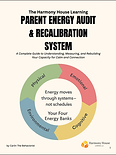
P.E.A.R.S.™ Parent Energy Audit & Recalibration System
Children borrow calm from the adults leading them.
P.E.A.R.S. helps you identify where your own energy is being drained, restore steadiness, and lead your family from a place of consistency rather than exhaustion.
Because you can’t pour calm from an empty cup.